Jan 29, 2026
Student
What to Do on ACT Test Day (And When to Skip Questions)
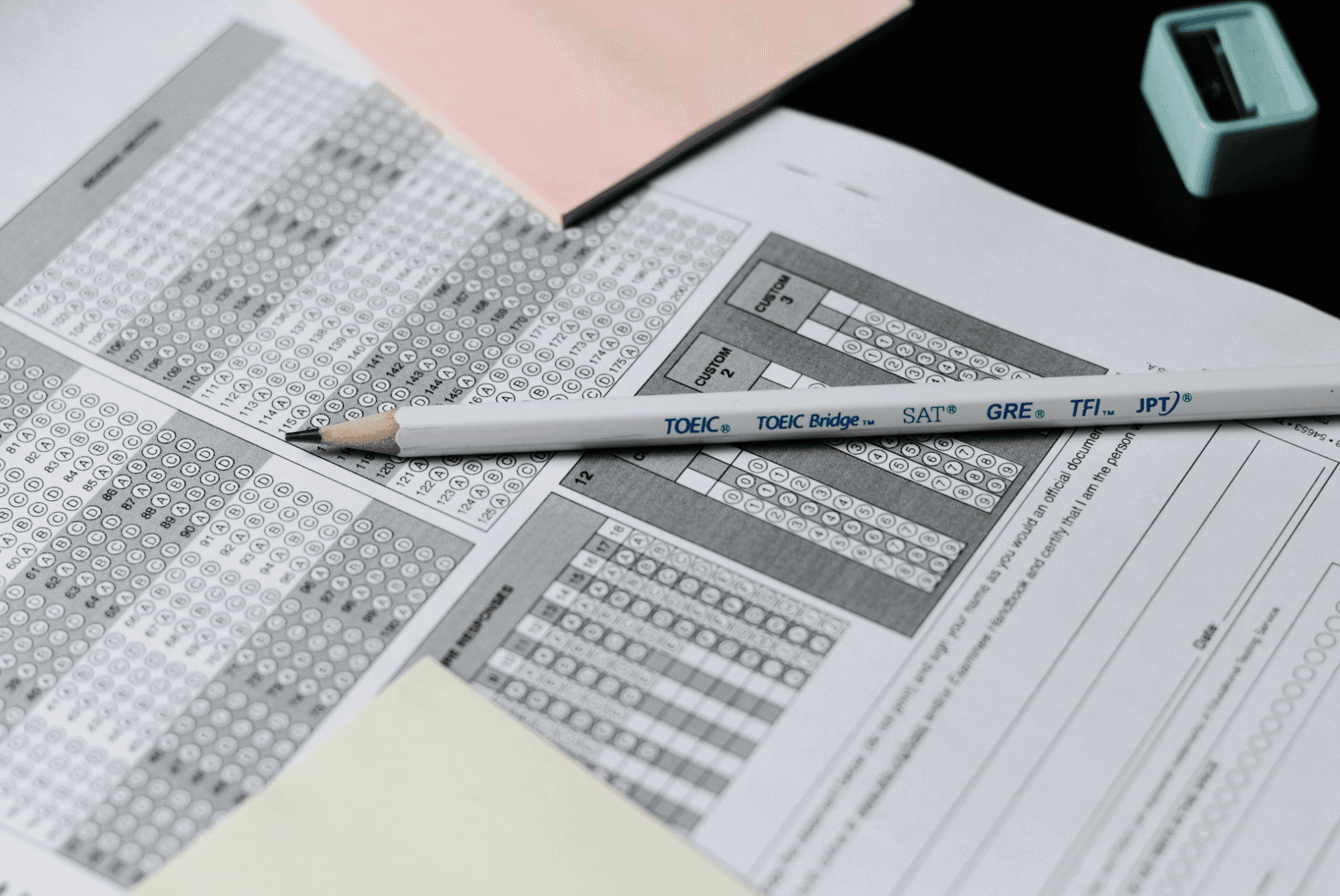
You’ve studied, taken practice tests, and reviewed mistakes. But test day is different. Even well-prepared students can lose points because of stress, poor pacing, or simple strategic mistakes. Knowing the right SAT test day tips can make the difference between performing at your level and underperforming.
This guide covers what to do before and during the exam — including a key skill many students overlook: when to skip questions on the SAT and how to come back to them efficiently.
The Night Before the SAT: What Actually Helps
Students often try to “cram” the night before. That rarely improves scores.
Instead, focus on:
Light review of formulas or grammar rules
Looking over common mistake types
Organizing materials (ID, calculator, ticket)
Getting enough sleep
Your goal is mental clarity, not last-minute learning. Strong performance comes from what you’ve built over time, not a late-night study sprint.
Morning of the Test: Your SAT Test Day Checklist
A calm morning helps reduce stress and improve focus.
SAT test day checklist:
Eat a balanced breakfast
Bring approved calculator
Carry extra pencils
Arrive early
Take a few deep breaths before starting
Small routines create a sense of control, which supports concentration.
SAT Test Day Tips That Actually Matter
On test day, strategy matters just as much as knowledge.
Key SAT test day tips include:
Read questions carefully, especially wording like “least,” “except,” or “not”
Don’t rush early questions thinking they are easy
Keep an eye on time without obsessing
Stay mentally flexible — one hard question doesn’t mean the whole test is hard
Your job is to make steady, controlled decisions across sections.
How to Pace Yourself on the SAT
Pacing is one of the biggest challenges students face.
General pacing guidance:
Don’t spend too long on one question
Maintain a steady rhythm
Check time periodically
Strong SAT time management tips include practicing pacing before test day so the timing feels familiar.
When to Skip Questions on the SAT
This is one of the most important SAT pacing strategy skills.
Skip a question when:
You don’t know how to start after ~20 seconds
The question looks unusually complex
You feel stuck or confused
Time pressure is building
Staying too long on one question can cost multiple later questions.
Skipping is not giving up — it’s protecting your time.
How to Come Back to Skipped Questions
Mark skipped questions clearly and move on calmly.
When you return:
Re-read carefully
Use elimination
Make an educated guess if needed
This helps you avoid running out of time on the SAT while still maximizing points.
Common SAT Test Day Mistakes to Avoid
Students often lose points through avoidable habits:
Spending too long on early questions
Rushing near the end
Changing answers without reason
Panicking after one hard question
Staying steady and strategic prevents these issues.
Staying Calm and Focused During the SAT
Stress is normal. The key is managing it.
Helpful SAT anxiety tips:
Slow breathing for a few seconds
Focus only on the current question
Remind yourself that one question does not define the section
Mental control supports accuracy and timing.
The Big Idea: Strategy Protects Your Score
On test day, your goal is not perfection — it’s consistency.
Knowing when to skip questions on the SAT, managing time, and staying calm help ensure your preparation shows in your score.
Smart strategy doesn’t replace studying — it protects the work you’ve already done.
Blog
Recent Articles
AI automation insights to help your business move faster and smarter.